ENTER
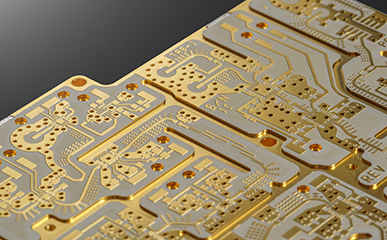
Aluminum PCBs, or insulated metal substrate (IMS), are coated with a thermally conductive thin dielectric and are used for parts requiring significant cooling, such as LEDs. Their excellent heat dissipation properties enhance device reliability.
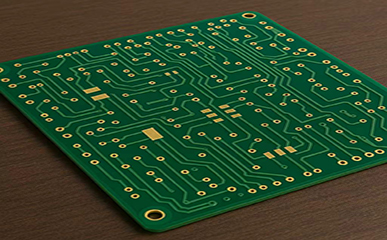
Double-sided PCBs are one of the most popular types of PCB. They are composed of two layers, interconnected with metalized holes (vias). Their versatility enables adaptation to diverse circuit design needs. Additionally, they are applied perfectly in any field of electronic industry.
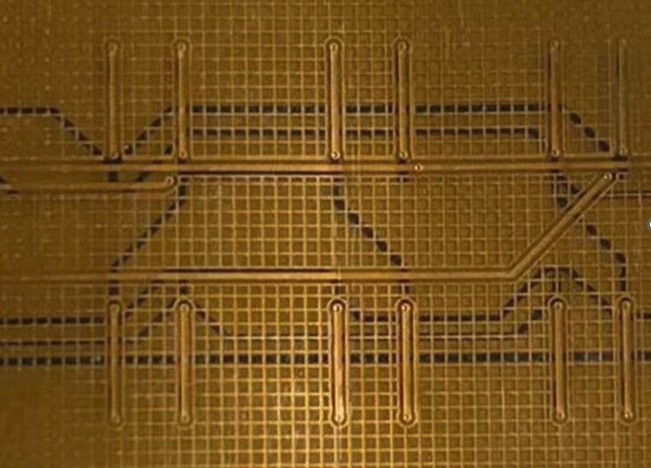
The 0.12mm Ultra-thin Flexible Printed Circuit Board is a cutting-edge technology that has revolutionized electronic manufacturing. With its flexible and ultra-thin design, this product provides unmatched flexibility, durability, and versatility in various electronic devices. It is used in a wide range of applications such as medical devices, consumer electronics, automotive, aerospace, and more.
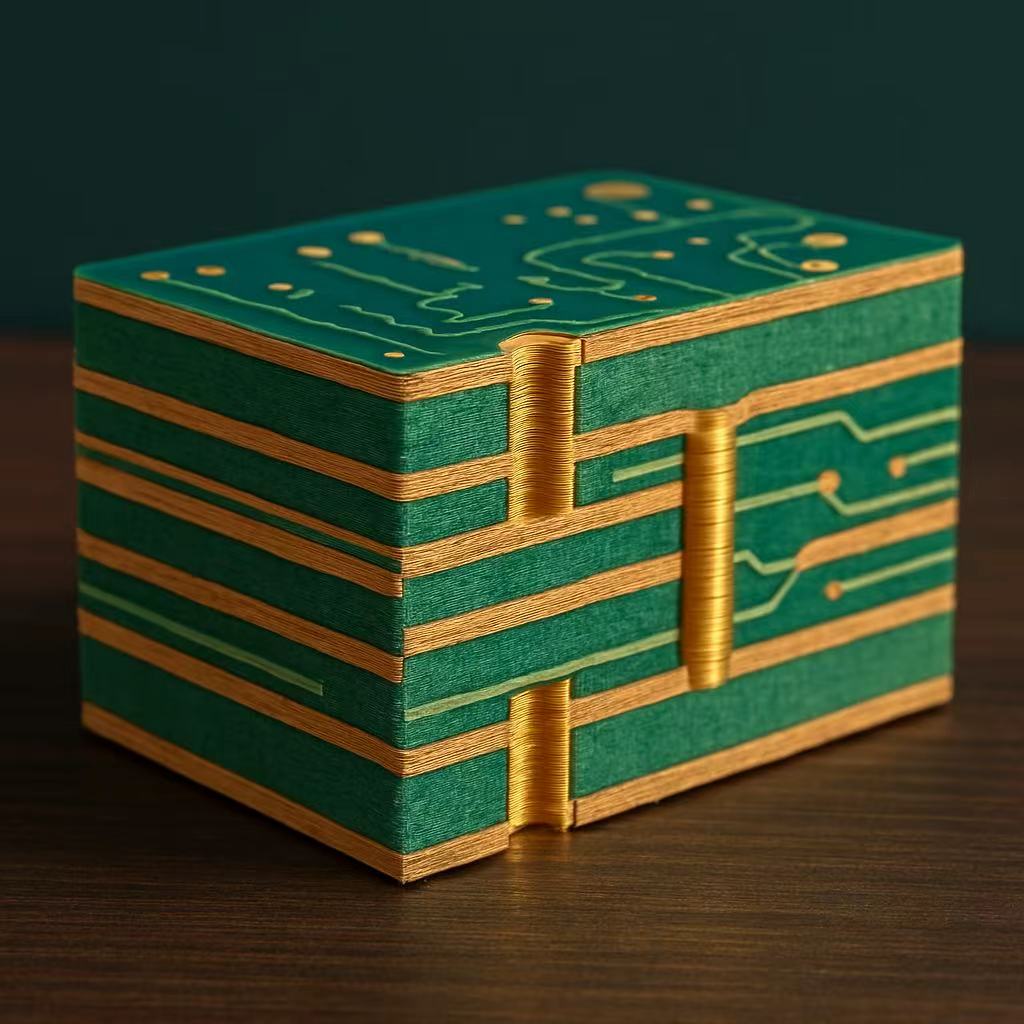
HDI/SBU PCBs HDI (High-Density Interconnection) PCBs are PCBs with micro and fine structures. SBU (Sequential Build Up) is a sequential extension of boards multilayer boards to increase board reliability.
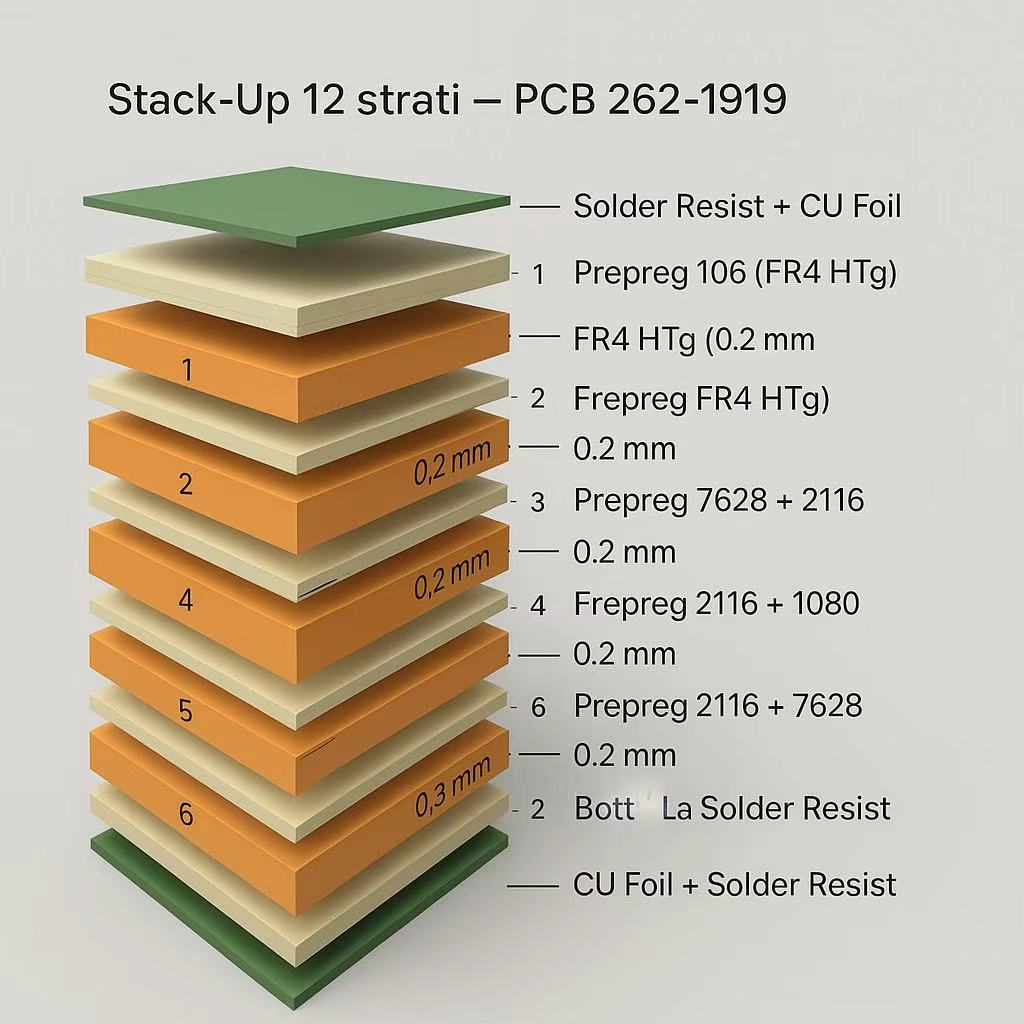
Multi-layer PCB Both homogeneous (one base material) and composite (several base materials). It is widely used in various electronic devices due to its unique features. Meanwhile, it allows high assembly density, small dimensions and great flexibility.
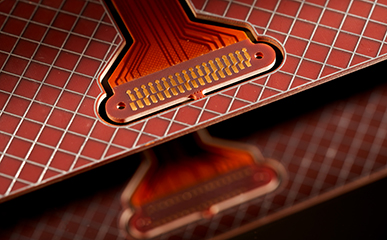
Rigid-Flex PCBs Rigid-flex circuits are flexible circuits of hybrid construction consisting of rigid and flexible substrates, laminated together in a single structure. They can meet complex design requirements and have up to 20 layers.